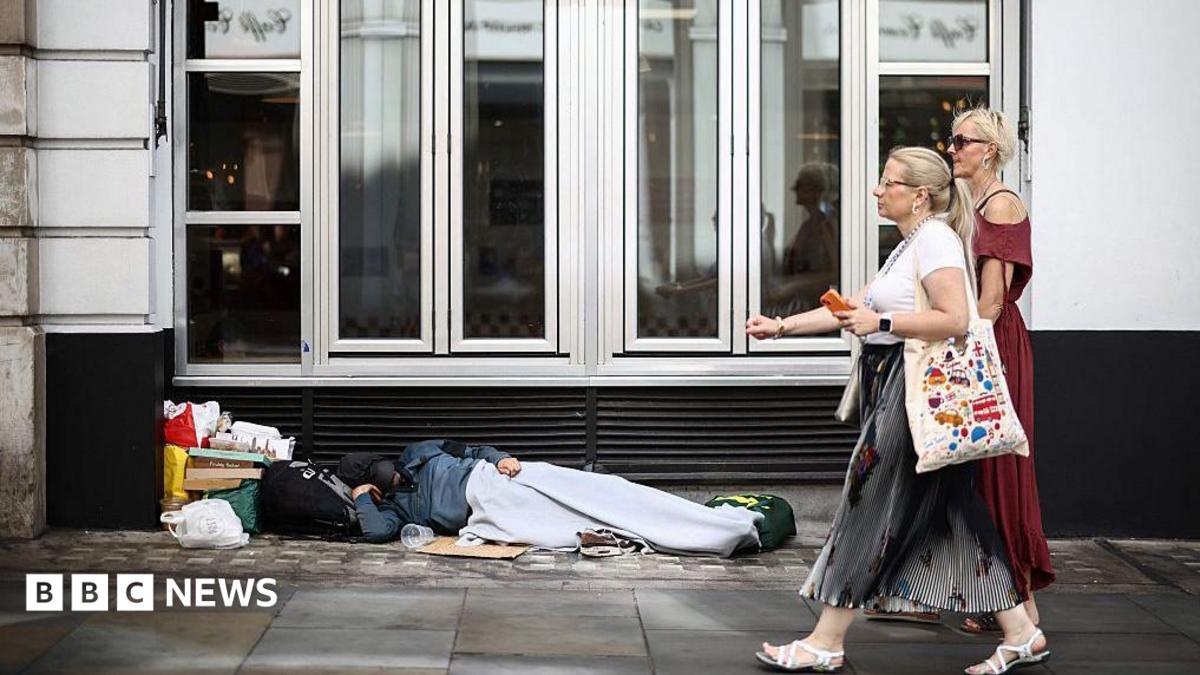
Prime Minister Andy Burnham has pledged to offer accommodation to every rough sleeper in England this winter, aiming to ensure no one spends Christmas on the streets. The initiative, backed by a £442 million funding package, seeks to eliminate rough sleeping while providing essential health and support services.
The announcement marks a significant shift in the government’s approach to homelessness, with Burnham declaring that the sight of people sleeping in doorways or outside stations is unacceptable. "I won’t accept it," he stated, framing the policy as a moral imperative for the nation.
The funding, described as fully allocated within the Ministry of Housing’s budget, will not only provide emergency accommodation but also deliver over 1,000 permanent homes over the next three years. Additionally, it will offer "intensive wraparound support," including mental health and addiction services, to help individuals rebuild their lives.
Burnham cited the success of the "Everyone In" scheme, launched during the COVID-19 pandemic, as inspiration. That initiative housed approximately 37,000 rough sleepers in hotels and temporary accommodation, with around a quarter later securing stable housing. The prime minister plans to convene a special conference this autumn, bringing together businesses, charities, and faith groups to collaborate on long-term solutions. Local councils and mayors will play a central role in tailoring responses to their communities, with the most affected areas receiving targeted support.
Homelessness charities have largely welcomed the announcement. Crisis described it as a "really significant" step, signaling a turning point in the nation’s tolerance for street homelessness. Jasmine Basran, the charity’s head of policy, emphasized the need for preventative measures to stop people from ending up on the streets in the first place. She called for cross-government coordination, noting that many individuals discharged from hospitals or leaving care currently fall into homelessness.
Shelter’s chief executive, Sarah Elliott, hailed the pledge as a "game-changing move" but stressed the importance of addressing broader housing shortages. She urged Burnham to follow through on commitments to build more council homes, which could alleviate pressure on temporary accommodation.
However, the initiative has faced skepticism from opposition parties. Shadow Housing Secretary James Cleverly criticized the lack of detail on funding and delivery, suggesting that Labour’s plans could lead to tax increases unless other programs are cut. Liberal Democrat housing spokesperson Gideon Amos warned that without a long-term strategy, people might return to the streets once the initial focus fades. He called for the construction of 150,000 social homes annually to address the crisis sustainably.
Reform UK’s deputy leader, Richard Tice, dismissed the announcement as "vague" and accused the government of using vulnerable individuals for political gain. He also questioned Burnham’s track record on homelessness during his tenure as Manchester mayor.
The latest official figures estimate that 4,793 people were sleeping rough in England on a single night in autumn 2025, a 96% increase over five years. However, experts caution that the data underrepresents the true scale of the problem due to strict counting methodologies.
For individuals like Chloe, 27, who experienced homelessness in London, the initiative offers hope. After sleeping in parks to avoid detection, she was supported by Crisis and now studies at film school. While she welcomes the government’s efforts, she stresses the need to address underlying issues such as mental health and financial instability to prevent repeat homelessness. "People on the street want a home," she said. "If that security comes with support, no one would turn it down."
Meron, another rough sleeper, has been living in a tent in a central London tunnel for two months after his temporary contract at an Amazon warehouse ended. Originally from Eritrea, he arrived in the UK three years ago and has struggled to find stable employment. "I keep applying for jobs, but I can’t find one," he said, adding that he plans to seek work outside the capital due to high living costs. Despite his circumstances, he remains determined to secure a job and a place to live.
Topics
Written by
R Raman
Coverage published by The NorthLine Post editorial team with review for clarity, sourcing, and newsroom standards.
View all articlesEditorial Disclosure
Source material: feeds.bbci.co.uk
AI tools assisted drafting. Human editors reviewed and approved this story before publication.
Comments (0)
Join the conversation and share your thoughts.
Leave a Comment
Recommended For You
The Office Whip-Round Economy: Navigating Etiquette, Pressure, and the Politics of Spare Change

Sánchez Defends Government's Response to Ceuta Border Crisis, Rejects Warnings Allegations

UK Minister Pledges Crackdown on 'Mega-Donors' as Burnham Joins Campaign Finance Fight

No comments yet
Be the first to share your thoughts!